Eco-Friendly Approaches: How E-Waste Recycling Services Are Preserving Our Planet
E-waste poses significant threats to the environment, as abandoned electronic devices commonly carry harmful materials. These hazardous substances can contaminate soil and water, resulting in widespread environmental harm. E-waste recycling services present a viable solution. They not only recover valuable resources but also mitigate pollution. Gaining insight into how these programs function and affect local communities is critical. Pursuing efficient e-waste management brings forth pressing questions regarding individual duties and shared responsibility. What actions should be considered going forward?
Why E-Waste Poses a Threat to the Planet
While technology enhances contemporary living, e-waste poses significant environmental threats. Abandoned electronic gadgets, commonly laden with toxic substances including cadmium, lead, and mercury, are capable of seeping pollutants into soil and groundwater, posing risks to both wildlife and human well-being. The swift progression of technology contributes to higher rates of electronics disposal among consumers, intensifying the growing problem of electronic waste.
Landfills, already strained by waste, are unable to keep up with the rising quantities of abandoned electronics. Incineration, a common waste management technique, emits dangerous pollutants into the environment, degrading atmospheric conditions. Moreover, poor recycling procedures can cause e-waste to be sent to developing regions, where employees may disassemble electronics without sufficient safety precautions, leaving them vulnerable to harmful substances. This cycle of neglect and improper handling underscores the urgent need for sustainable recycling solutions that can mitigate the adverse effects of e-waste on the planet.
What Is E-Waste and Why Does It Matter?
Electronic waste, commonly known as e-waste, comprises discarded electronic devices including televisions, computers, and smartphones that are no longer functional or needed. This increasingly prevalent form of waste is important due to its rapid accumulation, driven by technological advancements and consumer trends. With an increasing number of devices reaching obsolescence, the toll on the environment grows more severe, with toxic materials such as lead, mercury, and cadmium presenting serious hazards to the environment and human well-being.
The significance of tackling e-waste extends beyond minimizing these risks to recognizing the valuable resources it holds. Precious metals and rare earth elements can be recovered and reused, reducing the need for mining and conserving natural resources. With a thorough understanding of e-waste and its impact, people and organizations alike can make educated decisions about disposal and recycling, helping to build a more sustainable world. Responsible management of e-waste plays a key role in supporting a circular economy and championing environmental stewardship.
The Way E-Waste Recycling Functions
Recycling e-waste involves a structured approach aimed at reclaiming useful resources while limiting ecological damage. To begin, e-waste is collected and transported to purpose-built recycling plants. After reaching the facility, the equipment is meticulously organized to distinguish harmful elements from reusable resources.
After this step, specialists deconstruct the items, separating metals, plastics, and glass. This stage is crucial, as it allows for the reclamation of high-value metals like copper, gold, and silver, which can be reused in modern electronics.
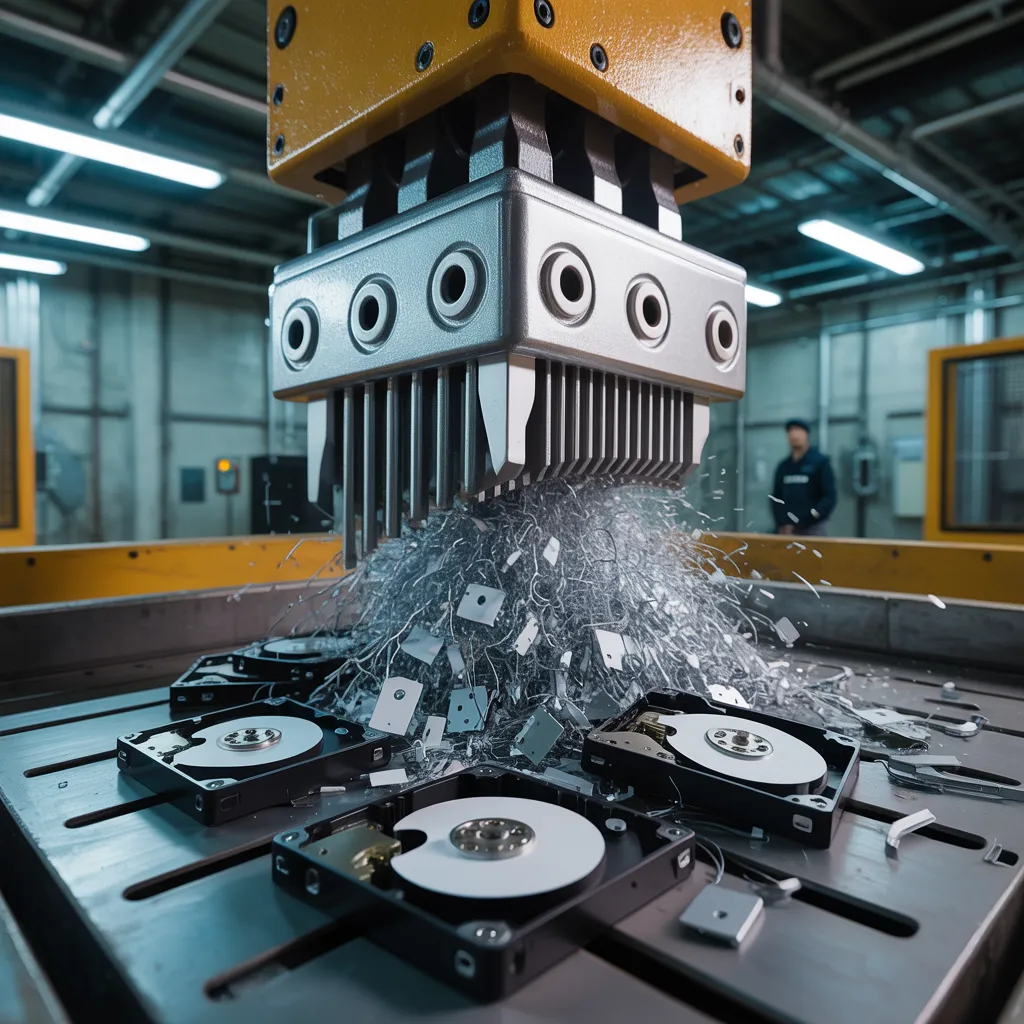
Next, the divided materials are refined View article through sophisticated techniques, such as mechanical shredding and chemical processing, to purify them for recycling.
Finally, the leftover hazardous materials are disposed of responsibly, adhering to eco-friendly standards. This comprehensive process not only conserves resources but also minimizes the hazards connected to improper e-waste disposal, securing a more eco-conscious future for the consumption of electronics.
How E-Waste Recycling Benefits You and Your Community
Though many people are unaware, the advantages of e-waste recycling extend beyond personal convenience to positively impact entire communities. By responsibly disposing of electronic waste, individuals help foster a healthier environment, reducing harmful substances that can leach into soil and water. This proactive approach actively safeguards local ecosystems and advances public health.
Moreover, e-waste recycling fosters workforce growth within communities. Regional recycling centers frequently need staff for a range of functions, from collection to processing, thus generating valuable job opportunities for local residents. This not only stimulates the local economy but also encourages community engagement in sustainable practices.
In addition, familiarity with e-waste recycling may result in educational initiatives, equipping residents to make environmentally conscious decisions. By enrolling in e-waste recycling programs, individuals cultivate a culture of sustainability, encouraging others to join the movement. All things considered, the collective impact of these actions can create a more resilient and environmentally responsible community.
How to Choose an E-Waste Recycling Service
Choosing the right e-waste recycling service is vital for guaranteeing that e-waste is handled in a responsible and sustainable manner. First, people should verify the company's credentials, such as R2 and e-Stewards certifications, which indicate conformance to industry standards for safe recycling practices. It's also important to evaluate the organization's standing by reviewing feedback and looking for recommendations from trusted sources.
Moreover, transparency in the recycling process is vital. A reliable company should provide clear information about the way e-waste is handled and what becomes of the materials. Moreover, considering the scope of services provided can prove valuable; certain providers may offer collection services or present rewards for recycling.
Finally, understanding area-specific requirements for e-waste disposal can further guide the decision-making process. When these considerations are given priority, individuals can contribute to responsible e-waste disposal alongside encouraging eco-friendly habits.
How You Can Get Involved in E-Waste Recycling?
Engaging in e-waste recycling often starts at the local level, where recycling centers frequently offer essential services for safe disposal. Furthermore, joining community awareness campaigns can strengthen efforts to raise awareness about the importance of ethical e-waste practices. These initiatives not only advance environmental sustainability but also build a collective sense of accountability for the environment.
Community Recycling Locations
Numerous community recycling facilities play an essential role in the recycling of e-waste, giving communities practical solutions to dispose of electronic waste responsibly. These stations receive a variety of electronic items, including used computers, handheld devices, and televisions, ensuring that harmful materials are handled safely. Many hubs feature knowledgeable personnel who help individuals navigate appropriate disposal procedures, stressing the significance of recycling instead of landfilling. Additionally, various hubs coordinate organized drop-off opportunities or appointed collection periods, making participation convenient for residents. Through the use of these community services, people help build a circular economy, lowering environmental harm and encouraging sustainable habits. Connecting with these stations encourages communities to fight e-waste pollution decisively.
Community Outreach Campaigns
Community groups, educational institutions, and companies can partner to arrange initiatives that encourage e-waste collection drives. Dedicated participants can take a leading part in spreading awareness, distributing educational materials, and engaging with the community. As a result of these combined actions, community members grow more knowledgeable and inspired to dispose of their electronics responsibly, ultimately contributing to a more sustainable future.
Frequently Asked Questions
What Types of Electronics Can Be Recycled?
Numerous electronics are able to be recycled, including laptops, televisions, smartphones, printers, computers, and gaming consoles. In addition, ancillary devices such as mice, keyboards, and batteries are also suitable for recycling, contributing to efforts to conserve the environment.
Do Any Costs Come With E-Waste Recycling?
Yes, e-waste disposal may involve costs, depending on the facility. Some service centers impose charges for collection or processing, while other facilities make services available at no charge, often subsidized by the resale of recovered materials.
How Do Businesses Gain From E-Waste Recycling?
Companies can take advantage of e-waste recycling by lowering disposal expenses, improving their green reputation, complying with regulations, reclaiming useful materials, and possibly earning income through resale, thereby fostering a more environmentally responsible business approach.
What Happens to Data on Recycled Devices?
Information from refurbished equipment is commonly irretrievably wiped or destroyed during processing. This confirms private details is kept safe, stopping improper access while allowing components to be repurposed safely and responsibly within new applications.
Are Broken Electronics Eligible for Recycling?
Indeed, damaged electronics are able to be recycled. Many centers take in damaged devices, providing safe disposal and recovery of precious materials. It helps minimize harm to the environment while encouraging eco-friendly recycling methods to manage electronic waste efficiently.